Pages

Thursday, 17 January 2019

SLJ Week 3 Day 1 Activity 1&2&3

DAY 1: A Heated Debate

Activity 1: Togs or Trackies? [4 points]
New Zealand is a pretty lovely place to live, isn’t it? Apparently, New Zealand (NZ) is also a pretty lovely place to visit. In 2017 approximately 2-3 million people came to visit NZ as tourists. Some of them chose to come in the middle of our summer, while others braved it and came in the middle of winter! When do you think is the best time of year (season) to visit NZ?
If you would like some help making a decision, feel free to read the Go New Zealand website. It has lots of information about the seasons in NZ!
I, personally, encourage my friends and family from overseas to come and visit NZ in early spring. The weather is usually warm and dry and the tourist attractions, beaches and holiday spots are less busy than they are in the middle of summer.
On your blog, tell us what time of year you think is best for tourists for come and visit. Be sure to share at least three things that tourists could do while they were here in NZ.
I think on spring or autumn because it's not to cold and it's not to hot during that time of year in New Zealand.
  1. Have a look and explore the history of New Zealand (Like going to the museum or old historical places)
  2. Experience going to the wonderful beaches and beautiful landscapes in the country (Not to busy and not to hot when you go to the beach during Spring and Autumn)
  3. Try other different outdoor activities like rugby (sport), abseiling, bungee jump, caving and many more.
Activity 2: You are my Sunshine [4 points]

People in New Zealand love spending time outdoors. Unfortunately, the sun is very powerful and the rates of skin cancer are incredibly high in New Zealand. In fact, they are higher than anywhere else in the entire world! To protect ourselves against skin cancer, we need to be careful about how much time we spend in the sun. We have to be ‘Sunsmart.’

Read the Sunsmart website.

On your blog, list five different things that we can do to protect ourselves from the sun this summer!
  1. Put sunscreen before going outside.
  2. Wear a hat as possible.
  3. Drink fluids to keep hydrated.
  4. Stay on the shaded areas.
  5. Avoid going out if it's very hot

Activity 3: Burning Up… [15 points]
While it can get hot in New Zealand, especially in the middle of summer, it gets even hotter in places like Dallol (Ethiopia), Dasht-e Loot (Iran), Tirat Zvi (Israel), Kabili (Tunisia) and Bandar-e Mahshahr (Iran).
The hottest temperature on record in each place is: Dallol: 41oC; Dasht-e Loot: 71oC; Tirat Zvi: 54oC; Kabili: 55oC; Bandar-e Mahshahr: 51oC. Crazy ‘eh?!
For this activity, you are asked to use this information to create a graph. The graph should have a title along with the names of each city and their hottest recorded temperatures. You can draw the graph by hand or use a computer programme like Google Draw to create your graph. It’s completely up to you!


On your blog, post a picture of your graph..

Monday, 7 January 2019

SLJ Week 2 Day 5 Activity 1&3

DAY 5: Wasting Away


Activity 1: Off the Menu [4 points]
Fishing is a really common activity in New Zealand. In fact, people have fished in New Zealand for centuries. Unfortunately, over the past few decades some people have caught too many fish in one area and left the region without enough fish to refill (replenish) the stocks. When this happens we call the area ‘overfished’ and it is closed to all private and commercial fishing. If people are caught fishing in these areas, they are required to pay a fine (money). The maximum fine for fishing in a restricted area is $100 000.
What do you think about this rule? Is it fair that people are charged up to $100 000 for overfishing?
On your blog, tell us what you think about this rule and why you think it!.
I think it is wrong and right charging people for overfishing. It's right because people are fishing too much and what if they get all the fish? How about the other people who wants to fish? How about those who have nothing to eat and there aren't any fish? It is also wrong because charging up to $100,000 is so expensive. What if it was a poor man who doesn't have any food, shelter or money to pay that big amount of money.
Activity 3: Faded Glory [5 points]
The Great Barrier Reef is the world’s largest coral reef system, made up of 2900 individual reefs. It is so big that it can actually be seen from space! The reef is located on the east coast of Australia and many people believe that it is millions and millions of years old. For most of its life, the reef has been a healthy, vibrant ecosystem. Over the past thirty years, however, it has changed dramatically. Much of the beautiful bright coral has become bleached and has lost its colour. Sections of the reef have also been damaged by tourists, cyclones and the introduction of new, damaging invasive species.
The Australian government is working to protect and preserve the reef. Each year they spend about $200 million dollars repairing and protecting the reef. It is a lot of money and they could really use some help raising the money (funds) required to repair the reef. This is where you come in!
On your blog, list three different ideas or strategies for raising funds to preserve the Great Barrier Reef. What could you do to fundraise here in New Zealand?
  1. Ask schools to fund raise (In our school we do activities and sell things such as candy, art crafts, hand-made stuff and we donate the money to the school we are fund raising for)
  2. & 3. Go around the town and nearby neighbour hoods and tell people what is happening right now about the Great barrier Reef and ask if they could give a donation even if it's big or small.

Thursday, 3 January 2019

SLJ Week 2 Day 4 Activity 1&2&3

DAY 4: Spectacular, Spectacular


Activity 1: Planes, Trains and Automobiles [4 points]
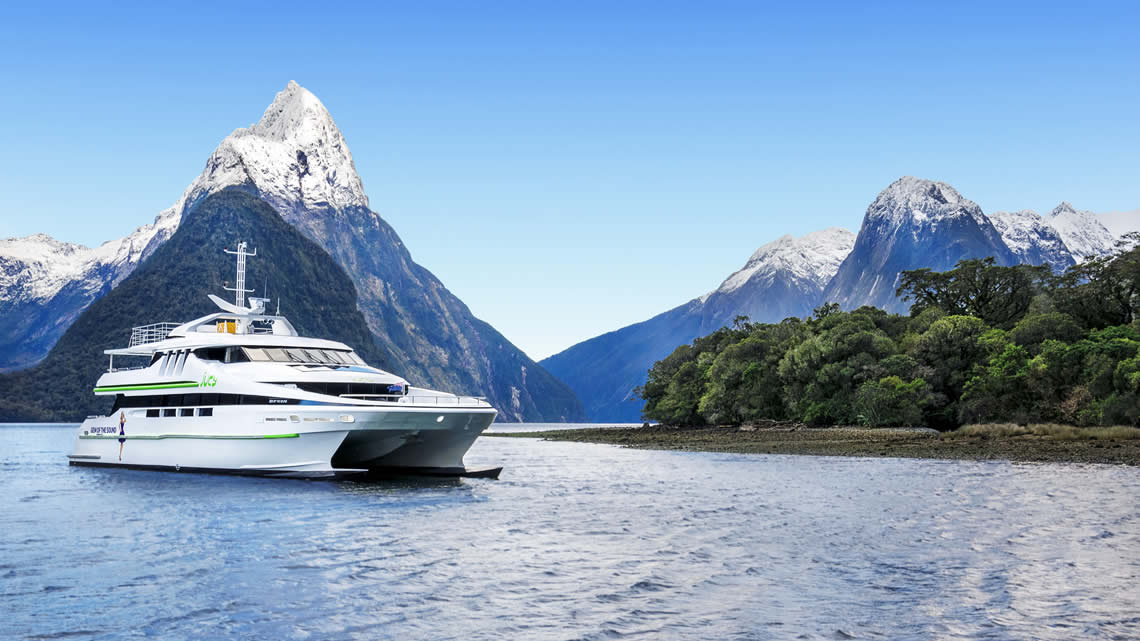
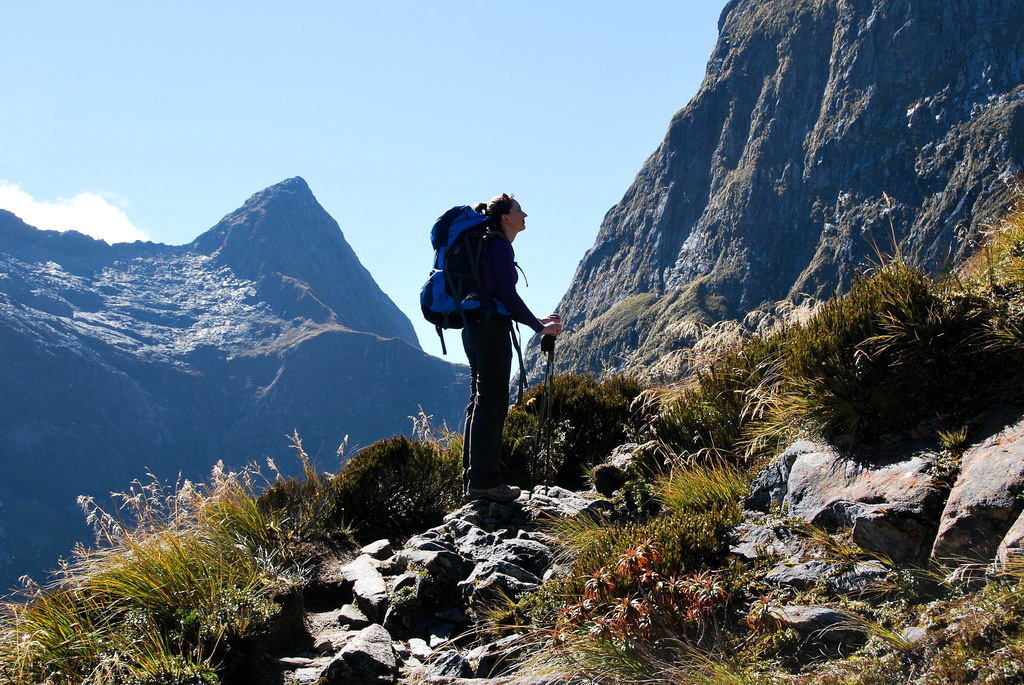
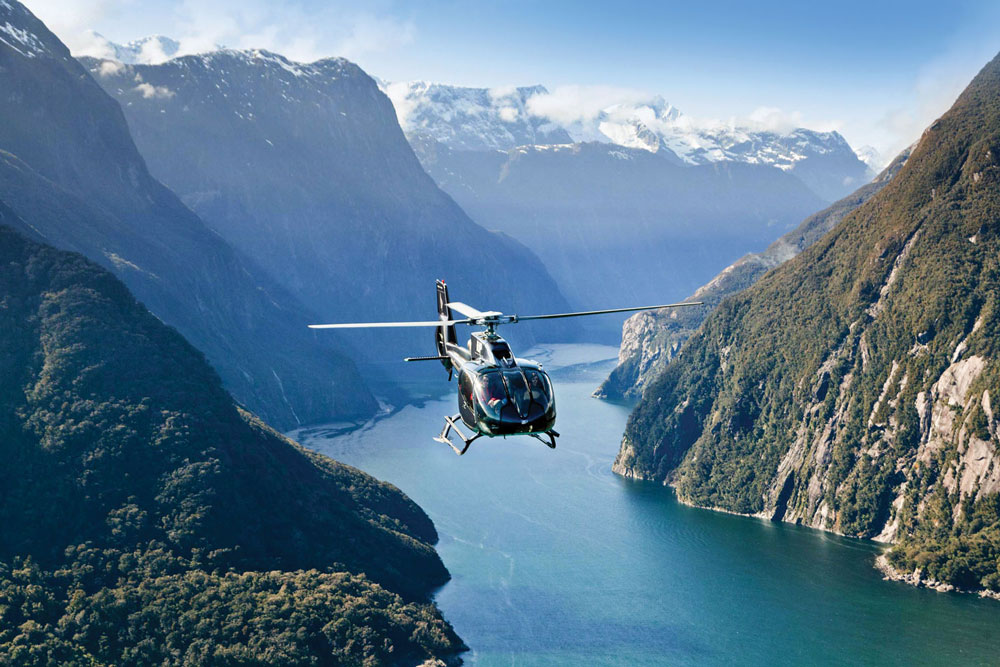
Arguably, one of the most dramatic and spectacular (beautiful) places to visit in New Zealand is Milford Sound. It has been referred to as the ‘eighth wonder of the world.’ It is a beautiful fiord (steep valley) that was formed when big pieces of ice (glaciers) melted. The melted glaciers created a beautiful river that is surrounded by dramatic cliffs and snow-capped mountains. People who visit Milford Sound are able to take a boat cruise through the middle of the fiord, walk around the area on the Milford Track or fly above the fiord as part of a private helicopter tour.
Let’s imagine that you had the chance to visit Milford Sound by boat, foot (walking) or air (helicopter). Which option would you prefer?
On your blog tell us which of the three options you would take to explore Milford Sound. Be sure to tell us why you have chosen this option.
I would take an helicopter to explore Milford Sound because you can see a nice view of the place, I can takes pictures and record videos.

Activity 2: It’s All in the Name [4 points]
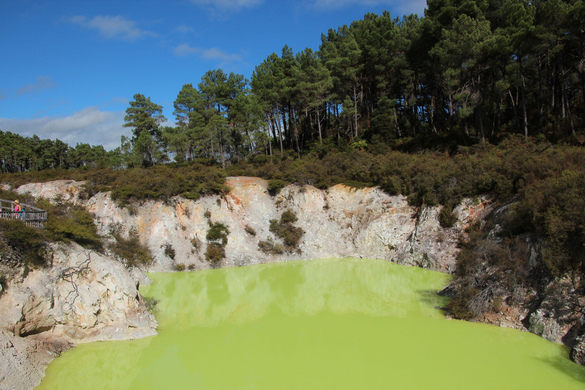
Rotorua is one of New Zealand’s most popular tourist destinations. It is a city filled with incredible forests, mountain biking tracks, lakes, and geothermal wonders, including hot springs (geysers) and mud pools. One of the most famous geothermal pools is called the Devil’s Bath at Wai-o-Tapu Thermal Wonderland. It is a neon green pool of stinky water.
Over the years, people have suggested that we come up with a new name for the pool. What do you think we should call it? Take a minute to let your creative juices flow.
On your blog, give us a list of three to five options for the name of this geothermal pool. Put a star (*) beside the name that you like the most.
  1. Neon Toxic Bath*
  2. Monsters Vomit
  3. Stinky Wonderland Pool
  4. Green Madness
  5. Witch's Poison


Activity 3: Picture Perfect [10 points]

While New Zealand is home to some beautiful waterfalls, there are a number of stunning waterfalls in places like Canada and South Africa. In Canada, the largest waterfall is called Niagara Falls. It sits on the border between Canada and the United States of America. Thousands of tourists flock (go) to Niagara Falls every year to see the falls and to have their picture taken in front of this natural wonder. Over the past few years people have started taking ‘selfies’ and posting them online. Do you ever take selfies?
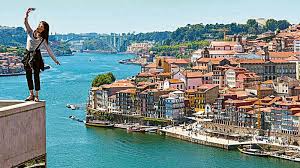
For this activity, choose one of the following three selfies. From left to right: Selfie #1, Selfie #2, Selfie #3


On your blog, write a short story about what you think is happening in the picture. Be sure to tell us where you think the people are and what you think they were doing at the time that they stopped to pose for the selfie. To earn full points, the story must be 8 – 10 sentences long.

Selfie 3- This girl looks like she is taking a picture of her and behind her is a town. I think she went on a vocation. I think she thought about a remembrance and took a picture. It looks like she went to a very a high building and took it there. It looks like she took a very nice picture. She looks like she went to a very fancy town that has a lot of buildings. It looks a bit like Italy because of the colours of the buildings or France. She looks like she had a great time there.

SLJ Week 2 Day 3 Activity 1&2&3

DAY 3: First You ‘Sea’ Me, Now You Don’t…


Activity 1: Night Owls [4 points]
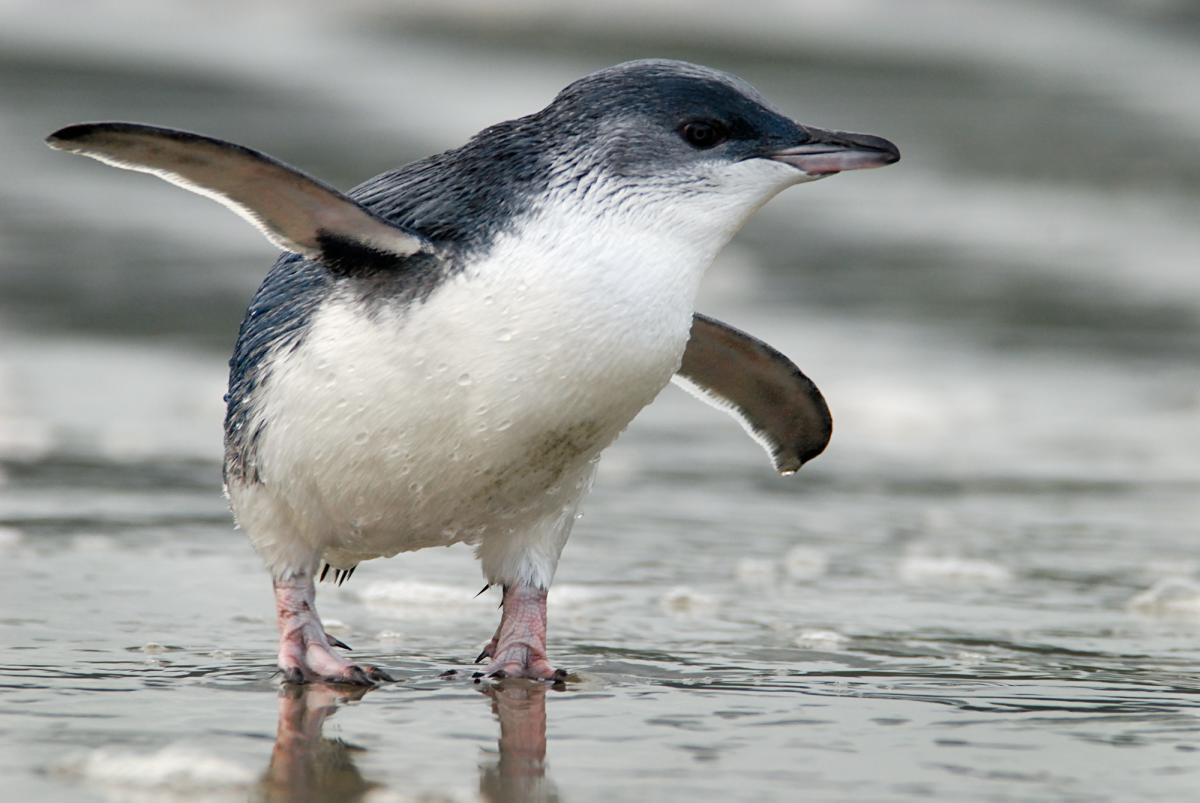
Here in New Zealand we have many amazing and unique sea creatures, including penguins. The blue penguin, or kororā, is particularly special because it is the smallest penguin in the entire world! Blue penguins are typically found on the east coast of the South Island in places like Oamaru but they can be hard to spot as they rarely leave the water. If they do come onto land it is usually at night, when most of us are sound asleep! That’s because they are nocturnal. Not all of us, however, sleep all night. In fact, some people love to stay awake late into the evening. People who like to stay up late are called ‘night owls.’ Are you a night owl or are you an early riser, like me? I typically wake up every day around 6:00 a.m. and jump out of bed, ready to start the day!
On your blog, tell us whether you are a night owl or an early riser. Then, tell us about the rest of your family. Are they the same as you? .
Me: I am a night owl I like to stay awake at night.
Justin- He is a night owl like me.
Jonathan- He always wake up early.
Dad- He is both a night owl and an early riser.
Mum- She is a early riser, she gets up early to get ready.

Activity 2: A Local Delicacy [4 points]
Whitebait is a very special fish in New Zealand. It is rumoured (believed) to be a very delicious fish. Some restaurants in New Zealand make dishes that feature whitebait, including whitebait fritters. Have you ever tried whitebait fritters? They are a favourite dish of many of my friends. I, personally, prefer foods from places like Mexico and Italy. Pizza and nachos are two of my all-time favourite foods! In fact, I often make homemade pizza with Aronui on Friday nights using the same ingredients (pizza base, tomato sauce, mozzarella cheese, sun-dried tomatoes, chicken, red onion, basil and feta cheese) each time.
For this activity, please choose a favourite food and find a recipe for it.
On your blog, share a list of the ingredients that you need to make this food. You must type out the list of ingredients yourself (and not simply copy and paste it from a website) to earn full points.
Filipino Fried Chicken-
Ingredients-
  • 3 pounds of chicken (cut into pieces)
  • A tablespoon of salt
  • 3 cups of cooking oil
  • 1 cup of all-purpose flour


Batter Ingredients-
  • 3/4 of milk (Not very hot or evaporated)
  • 1 Knorr chicken cube
  • 1 teaspoon of baking powder
  • 2 teaspoon of garlic powder
  • 1/2 teaspoon of salt
  • 1/4 teaspoon of ground pepper


Activity 3: The Midnight Zone [10 points]

One of these creatures is called the ‘Colossal Squid.’ A colossal squid can weigh as much as 495 kilograms (kg)! Here in New Zealand, we have a full sized colossal squid on display at
Te Papa Museum in Wellington. It is the only specimen of its kind in the entire world! This squid weighs approximately 500 kg. In 2018, a team at Te Papa decided to move the giant squid from one area of the museum to another. Deep in the ocean, far below the surface, lies an area called the ‘Midnight Zone.’ It is called the midnight zone because it is always dark or ‘pitch black’ in this area. Much of the deep sea has yet to be explored by humans, however, we do know a little bit about the creatures that live here.

Let’s imagine that the average adult can lift 25 kg and the average child can lift 15 kg. How many adults and children will it take to move the giant squid into its new room at Te Papa? [Note: There is more than one right answer to this question.]
On your blog, tell us how you will solve this maths problem. You can write your answer in words, use a Sketchpad image or post a video explaining how you would figure it out. Be sure to give us your final answer.
25 times 14= 350
15 times 10= 150+350= 500kg
10 Children 14 Adults


SLJ- Week 2 Day 2 Activity 1&2&3

DAY 2: Fabulous Flora

Activity 1: Weaving a Tall Tale…[4 points]
There is a long history in New Zealand of collecting natural plants, including flax (harakeke), and using them to create cloaks, baskets (kete), mats, traps and ropes. Flax weaving is an art form. It can take years for people to perfect the art of weaving. Have you ever tried it?
For this activity, you are asked to watch a short video of someone weaving a fish (ika) out of flax.
On your blog, tell us whether or not you would like to try flax weaving. Does it interest you? Why or why not?
Flax weaving interest me because in the Philippines, (I'm a Filipino) flax weaving is similar to making a banig. A mat made by hand use for sitting and sleeping and Filipino's use dried leaves and make those patterns and plaiting to make banigs. You could make a lot of things made of flax such as the bird in the video.

Activity 2: Mighty Mangroves [4 points]
Here in New Zealand we have a native tree called a Kiwi Mangrove. Kiwi Mangroves grow in shallow water (harbours). The largest mangrove or manawa forests in New Zealand are located in Northland and in Auckland. According to many environmental experts, they are one of the toughest and strongest trees in the world because they can survive in really harsh (difficult) conditions.
For this activity you are asked to think of someone who is very tough and strong. They can be someone who you know personally or they can be a character that you have read about in a book, seen in a movie, or on a television show.
On your blog, tell us about this person. Who are they? Why are they, in your opinion, so strong and tough?
My dad, he is strong and tough and he also has a big stomach. But if he would carry something heavy now, it might be not the right time because he hurted his finger.

Activity 3: Stranger than Fiction [10 points + 5 possible points]
Here on earth there are more than 298 000 different kinds (species) of plants. Some of these plants live on land and some live in the water. Follow this link to read about 10 of the strangest plant species in the world. When you are finished, choose two of the plants from the list.
On your blog, list three similarities and three differences between the two plants that you chose. To earn five extra bonus points, post a picture of both plants on your blog..

Similarities- Venus Flytrap & Pitcher Plant

  1. The Pitcher Plant and Venus Flytrap are both carnivorous plants.
  2. Both plants catches their own food.
  3. They both need a lot of water to grow.
Differences:
  1. They catch it's in different ways, they have a difference because of how they trap the food. 
  2. They live in different places, Pitcher Plants live in branches of trees and Venus Flytraps live in soggy soil.
  3. Venus Flytraps and Pitcher Plant look very different, Venus Flytraps have like those teeth that looks so scary and the Pitcher Plant looks like a Pokemon called a Victreebel.

These are labeled for reuse pictures :D


SLJ Week 2 Day 1 Activity 1&2&3


DAY 1: Swimming with the Fish


Activity 1: Surfs Up! [4 points]
In New Zealand we have many beautiful beaches and stunning waterfalls. One of the most spectacular waterfalls is called Kitekite and it is located in Piha, a small village west of Auckland. Tourists and locals flock to Piha during the summer season to enjoy the waterfall, the local beach, and the great surf. Have you ever tried surfing? Although I have never surfed many of my friends have and they absolutely love it. In fact, it is their favourite summer activity! What is yours?
On your blog, post a picture of yourself doing one of your favourite summer activities. Below the picture tell us what the activity is and tell us why it is one of your favourites.

Going to the beach with my family is one of my favourite activity to do in Summer. Going to the beach is one of my favourites because I like going swimming in the ocean and playing with the sand with my silblings, we like to bury each other in the sand.


Activity 2: The Great Taupo Cycle Challenge [4 points]
Every year approximately 7500 people arrive in Taupo, New Zealand to compete in a one-day cycling race around Lake Taupo. The race route is 160 km in length. Participants can choose to compete in the full race or the half-race (80 km). Let’s imagine that you were given a free ticket to compete in the Lake Taupo Cycle Challenge next year and you were able to bring three people with you as your ‘support crew.’ Who would you bring with you?
On your blog, list the three people you would like to have on your Lake Taupo Cycle Race Support Crew. Tell us why you have chosen each person.
  • Mum (She's very supportive and she's a good encourager and she was a good runner when she was young)
  • Roneeza (She has a sence of humour and she makes me laugh)
  • Dad (He has a lot of ideas and he always tells me a lot of solutions and suggestions)\

Activity 3: Something Smells Fishy…[10 points]
One of the longest and largest rivers in the world is called the Amazon River. It is located in South America and is approximately 6400 kilometres (kms) long. That is four times longer than the entire country of New Zealand. Wow!
Scientists believe that there are over 3000 different kinds of fish that live in the Amazon River. Now, that is a lot of fish! To learn more about fish, we went online and found some really cool facts about fish.
For this activity, we are going to provide you with five sentences about fish. Some of them are true and some are them are not. It is your job to read these ‘facts’, and decide whether they are true or false.

On your blog, write out each fact and in CAPITAL LETTERS beside the fact, write the word ‘TRUE’ if it is a true fact or ‘FALSE’ if it is not true.
True or False?

Fish Fact #1: The oldest known fish in the world is a 65 year old Australian lungfish.- FALSE
Fish Fact #2: Sharks are the only fish that have eyelids.-TRUE
Fish Fact #3: Starfish are a type of fish.- FALSE
Fish Fact #4: Fish communicate with each other by making low-pitched sounds (moans, hisses, etc)- TRUE
Fish Fact #5: Fish usually swim together in groups called ‘classes.’- FLASE